Understanding Audi Key Technology: Why Replacement Isn't as Simple as Cutting a Blade
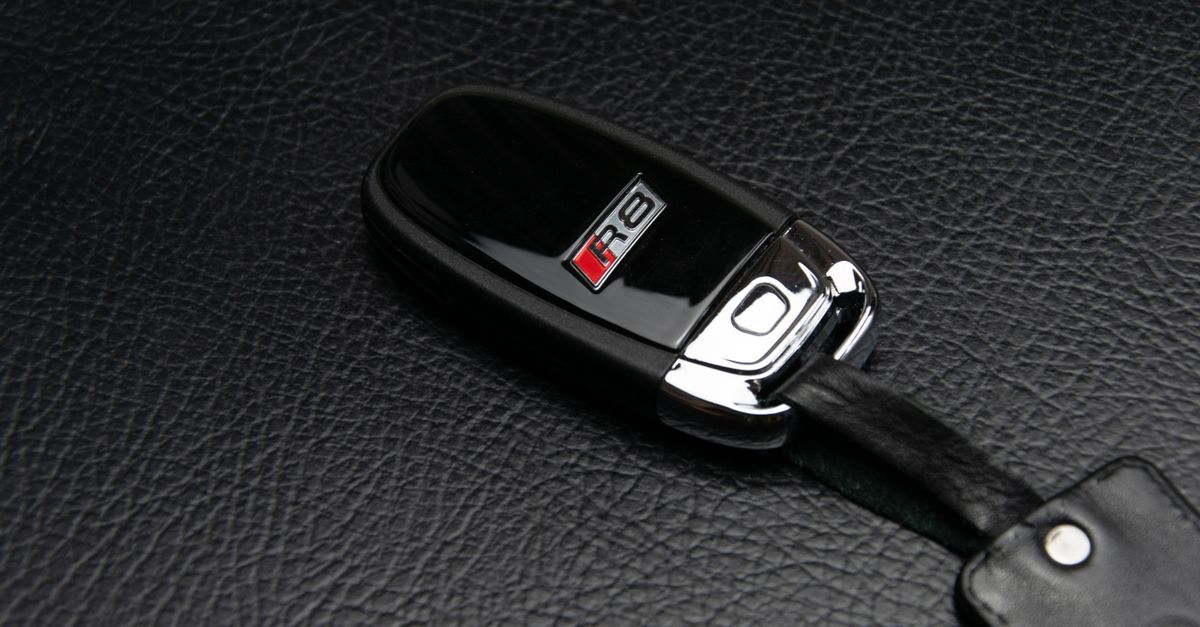
Audi has used multiple generations of key security technology across its lineup. Older models may use a basic transponder key — a key with a microchip that communicates with the vehicle's immobilizer to authorize the engine start. Mid-generation vehicles moved to remote head keys and flip keys that combine a cut blade with a remote fob for door lock control. More recent Audi models — including the Q7, A6, and e-tron SUV — use proximity smart keys (sometimes called keyless-go or advanced key systems) that allow push-button start without inserting anything into an ignition. Each of these key types requires a different replacement process: cutting the blade profile, sourcing the correct OEM-compatible blank, and then programming the new key to pair with your specific vehicle's immobilizer or PKE (Passive Keyless Entry) module.
The programming step is where many generic copy-any-key kiosk solutions fall flat. Kiosk services — the kind you might find inside a grocery store — can duplicate a standard cut key by copying its blade profile, but they cannot program transponder chips or pair a new smart key to your Audi's immobilizer. If you've seen a kiosk advertised as being able to handle home keys, office keys, access cards, and fobs, understand that the fob duplication offered there covers only basic RF remotes — not the encrypted, vehicle-specific programming that Audi's security systems require. Our mobile technicians carry the specialized software and hardware to perform that programming step on the spot, at your location.