How Master Key Systems Actually Work: Locks, Pins, and Access Tiers
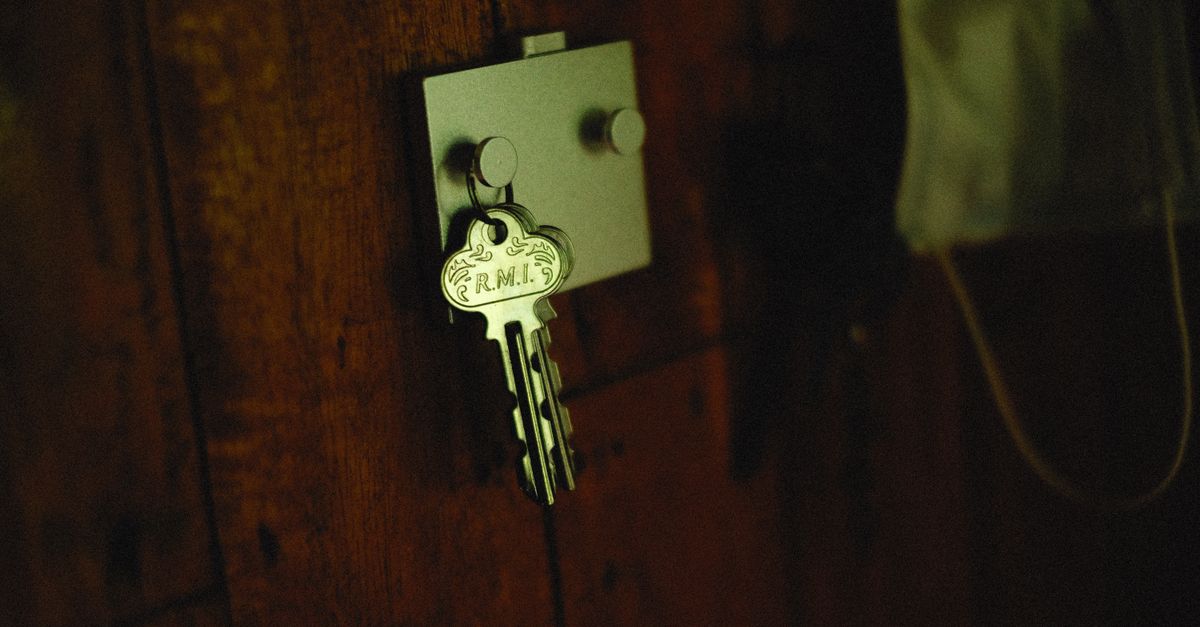
A master key system works by engineering the pin stacks inside each lock cylinder to shear at two distinct heights — one for the individual change key assigned to that lock, and one for the master key that rides above all individual keys in the hierarchy. The more complex the hierarchy, the more shear points are introduced, and the more precisely each key's cuts must be controlled. At the foundation level, a grand master key (GMK) opens every lock in the entire system. Below it, master keys open defined zones — say, all administrative offices or all warehouse bays. Below those, individual change keys open only one specific door. In large facilities, a 'sub-master' level can be inserted between the grand master and the change keys, giving department heads access to their wing without touching executive spaces. Every tier is planned on paper and in our keying software before a single blank is touched.
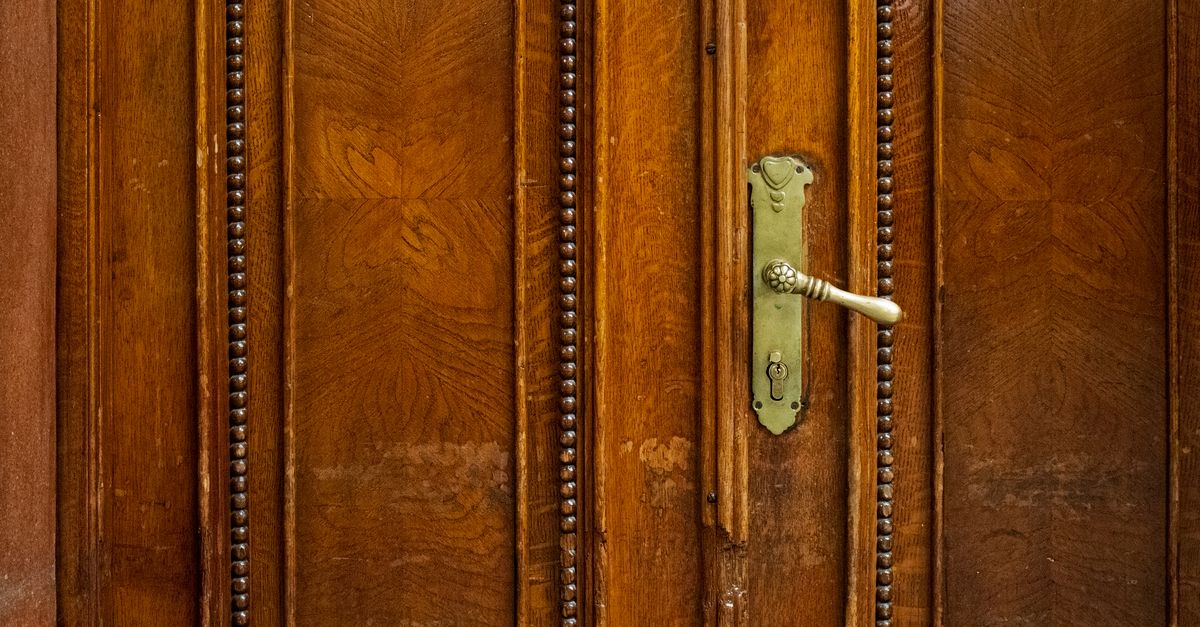
The hardware that best supports a robust master-keyed hierarchy is the mortise lock. Unlike a cylindrical door knob lock — which is adequate for single-door residential use — a mortise lock is mortised (recessed) into the door edge, placing the locking mechanism fully inside the door body. This design accepts full-size commercial cylinders with deep, multi-cut keyways that can accommodate the complex bitting required for multi-level master systems. Our commercial locksmith team works with mortise lock bodies from manufacturers like Schlage and others, selecting the keyway series that gives your system the mathematical 'space' to grow. If your Hebron property already has mortise hardware in place, we assess the existing cylinders, determine whether they can be incorporated or need to be replaced, and build the new hierarchy around what's practical and cost-effective for your specific building.